 214-661-7791
  Request a Quote


Table of Contents:
- Signs of Wear and Tear on Diamond Settings
- How Setting Design Influences Durability
- Get The Right Evaluation By Letting Us Check Your Diamonds
To spot wear and tear on diamond settings, examine the prongs, metal band, and overall structure for damage or looseness. Look for bent or thinning prongs and any gaps or scratches on the metal, as these can jeopardize the diamond’s security. A bright light or jeweler’s loupe can help reveal issues before they lead to losing the stone. Regular cleaning and periodic inspections by our experts at Wholesale Diamonds TX will help keep your diamond safe.
Key Takeaways
- Occasionally, tap your diamond ring to see if any stones feel loose to the touch. Look for any sign of movement to avoid losing a stone.
- Check prongs for signs of bending, misalignment, or wear. Prongs in need of repair may compromise the integrity of the setting and endanger the stone.
- Look closely at the metal for scratches, dents, or any deformation. Know these signs of wear so you can repair them before it’s too late!
- Don’t skip the fine print. Look at all the details, including accent stones and fancy shanks. Therefore, they are frequently more vulnerable to being damaged or coming loose!
- When wearing jewelry, pay attention to any strange noises or movements. Rattling may signal loose stones or weakened settings.
- Be intentional with the choice of settings and metals. Sturdier materials, such as platinum, and less ornate designs generally hold up to wear better than detailed styles.
Signs of Wear and Tear on Diamond Settings
Even diamond settings made of high-quality materials will begin to wear down over time, especially with everyday wear. Regular inspections are necessary to ensure your jewelry is still safe and looks beautiful.
-
Look for a Loose Diamond
 A loose diamond often indicates damage to the setting. To test if the diamond is loose, hold the ring up to your ear and gently tap or shake it. If you notice any movement, the diamond has moved – this is common for older or well-worn rings, but it is a sign that you need to speak to a jeweler as soon as possible to secure the stone.
 -
Check Prongs
If any of the prongs become worn or are bent, or broken from normal wear. Prongs are a key component of the diamond setting, so if a prong is damaged, you still have some hold on the stone with the other prongs in a four-prong setting, although constant everyday use can seriously weaken the metal structure. If you are using softer metals that are softer to wear, such as gold, then continual wearing is only going to make the situation worse. A good way to avoid serious damage is to have a professional check your jewelry regularly.
-
Look for Scratches or Dents
Scratches and dents can weaken the metal setting. Gold is softer and more susceptible to damage, while platinum is more durable. Inspect the band and mounting for any deformation, especially after exposure to rough conditions.
-
Inspect Side Stones and Details
Sometimes, the wear can be masked by side stones and complex details. Inspect for loose or missing side stones and inspect fine detail work like milgrain or engraving, as damage here will affect the overall durability and integrity of the ring.
-
Listen for Unusual Sounds
If there is any strange sound or movement when shaking the ring, there could be a structural issue. If there is any creaking or rattling noise, that suggests the metal work at the girdle line or prongs needs attention.
 A loose diamond often indicates damage to the setting. To test if the diamond is loose, hold the ring up to your ear and gently tap or shake it. If you notice any movement, the diamond has moved – this is common for older or well-worn rings, but it is a sign that you need to speak to a jeweler as soon as possible to secure the stone.
How Setting Design Influences Durability
The type of setting for a diamond plays a very large role in determining its durability. Certain settings and materials are more protective than others, and some even increase the risk of damage. Understanding these setting factors allows us to identify sources of wear over time.
Common Setting Types and Their Weaknesses
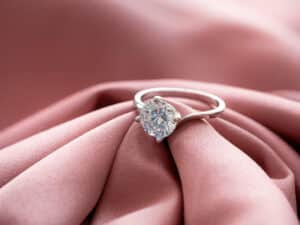 Most setting types have certain strengths and weaknesses. Prong setting, especially four or six prongs, has optimal light but loosens or gets damaged if the prongs weaken. Bezel settings encase the stone with metal, which gives lots of protection against scratches and chips. Channel settings, used in smaller diamonds, give extra strength by encasing the stones in the band.
Impact of Elaborate Patterns on Longevity
While elaborate patterns can be gorgeous, they have the potential to create weaknesses. Filigree or micro-pavé setting requires regular examination to prevent losing small stones or bending metal.
Pros and Cons of Popular Setting Styles
The classic six-prong Tiffany setting ensures brilliance but may lead to prong wear. Tension settings provide a floating look but can stress the diamond and shank over time. Bezel and channel settings strike a balance between beauty and durability for everyday wear.
How Stone Placement Affects Wear
Stone placement directly influences wear and exposure. Raised settings allow more light but expose the diamond to bumps. In contrast, lower profiles like flush or bezel settings protect against impacts, making them suitable for active lifestyles.
Get The Right Evaluation By Letting Us Check Your Diamonds
All diamond settings stretch with time, no matter what style or metal. Regular checks will avoid loose prongs and bent claws. Every metal and setting behaves differently under stress, so it is important to know what to look for. Treating your jewelry with care is a sound investment. Regular cleaning and professional inspections will leave it gleaming and secure for years to come.
If your treasured pieces need maintenance or repairs, speak with a respected Texas jeweler for professional guidance. Though diamonds last an eternity, a setting’s durability depends on good care. Nurture your precious possessions, and they will sparkle through all of life’s special occasions. For professional assistance, contact us at Wholesale Diamonds TX today.